Vienna isn’t a shopping capital like Milan or Paris, but it has its own addresses - and above all its own mix: imperial-era heritage houses next to young designers, luxury miles next to street markets, and a shop culture where many businesses have been family-run for generations. If you know where to look, you’ll find things that only exist in Vienna. Sorted by neighbourhood.
Mariahilfer Straße (6th district)
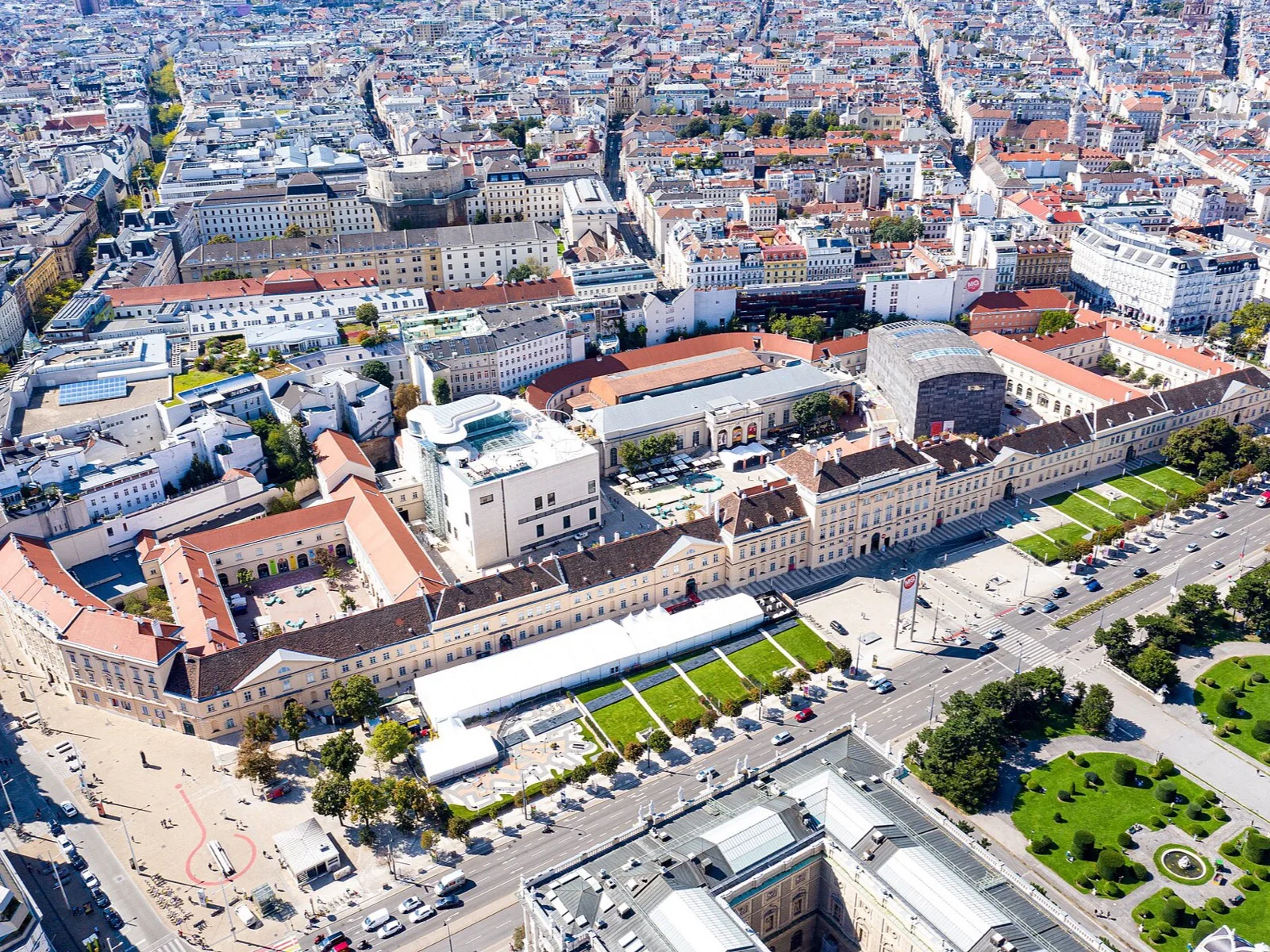
Vienna’s longest shopping street, 1.8 km from the Westbahnhof area to the MuseumsQuartier. Mainstream chains (H&M, Zara, Mango), but also Austrian brands: Wolford (hosiery, founded 1950 in Bregenz), Tostmann (traditional dress), Schella Kann (Viennese designer). The upper end (towards the MQ) gets more interesting, with fewer chains. Long stretches are a shared pedestrian zone, so you stroll on the street itself. Getting there: U3 to Zieglergasse or Neubaugasse for the middle section, U6 to Westbahnhof for the top end. Saturday afternoons the MaHü is packed like a rush-hour subway car - weekday mornings are far more pleasant.
Golden Quarter (1st district)
Between Tuchlauben, Bognergasse and Seitzergasse. Luxury brands (Louis Vuitton, Prada, Hermès, Saint Laurent), Lukas Hassler, Wempe. Very polished, very quiet. You walk it in ten minutes - but the architecture of the restored palaces justifies the detour even without any intention to buy.
Golden Quarter alternative: Kohlmarkt and Graben
Classic Viennese luxury addresses. Demel (the imperial confectionery - not shopping, but heritage), Hublot, Cartier. Kober’s toy shop on the Graben is the classic family stop. Kohlmarkt, Graben and Kärntner Straße form the inner city’s “golden U”: all pedestrianised, all connected, with St. Stephen’s Cathedral as the fixed point in the middle. This is also where you find the traditional purveyors to the imperial court, some still carrying the imperial coat of arms above their doors.
Viennese designers and concept stores (7th district)
Neubau is the district of Viennese own-labels: Park (concept store, Burggasse), Mühlbauer (hats, heritage), Wiener Werkstätte-inspired brands on Kirchengasse, Anukoo (fair fashion), Lokal (Viennese fashion collective). For “young Vienna”, this is the place. The best route: from the U3 station Neubaugasse through Kirchengasse to Burggasse, then let the side streets pull you along. Cafés and small galleries sit between the shops - the quarter works as a half day with breaks.
Vintage and flea market
Naschmarkt flea market on Saturday. Starts at the western end of the Naschmarkt. Real antiques mixed with junk; the earlier you arrive, the better - dealers and collectors come at dawn, and by noon the best pieces are gone. Haggling is part of it, friendly and without theatrics.
Vintage shops in the 6th and 7th districts: Burggasse, Westbahnstraße, Kirchengasse. The best density in Vienna, from curated designer second-hand to pay-by-the-kilo.
Markets (other)
Naschmarkt is a food market with restaurants, tourist-leaning. Karmelitermarkt in Leopoldstadt is more multicultural and less touristy - on Saturdays with a farmers’ market and a dense brunch scene around it. Brunnenmarkt (16th district) is Vienna’s longest street market, Turkish and Austrian, with prices that are still real market prices.
Opening hours and Sundays
Viennese shops generally open mid-morning on weekdays and close in the early evening, often earlier on Saturdays. And heads-up: in Austria, Sunday means closed, with few exceptions. Open: petrol-station shops, train-station shops (main station, Westbahnhof), restaurants and bars, emergency pharmacies, sights and museum shops. Sunday shopping isn’t a thing - plan your Sunday around museums, coffee houses or a day out instead; our list of free things to do has ideas.
Prices and tax-free shopping
International chains cost about the same in Vienna as anywhere in Western Europe. It gets interesting with the things that only exist here: traditional dress, hats, workshop-made goods - quality has its price and lasts for decades in return. Travellers resident outside the EU can reclaim VAT above a minimum purchase value: ask for the tax-free form in the shop and get it stamped at the airport before departure.
What to take home from Vienna
- Sacher-Torte (wooden box, keeps for weeks).
- Manner wafers (supermarket or the Manner shop on Stephansplatz).
- Original Viennese traditional dress at Tostmann’s Schottengasse store.
- A Mühlbauer hat.
- Wine straight from a Heuriger winery: more honest and cheaper than the supermarket - our Heuriger guide tells you where.
- Augarten porcelain for the bigger budget: Vienna’s porcelain manufactory since 1718.
Skip the souvenir stands around Stephansplatz: mass-produced imports with Mozart printed on them. The KHM and MQ museum shops curate far better.
Frequently asked questions
Where should I stay for a shopping trip? Around Mariahilfer Straße: from Mariahilf and Neubau you reach the MaHü, the concept stores and the inner city on foot. There are suitable hotels at every price level.
When are the shops emptiest? Weekday mornings. From Saturday noon everywhere fills up, the MaHü and the Naschmarkt flea market especially.
Can I pay by card everywhere? In chains and larger shops, yes. At flea markets, market stalls and some small shops, cash is still king - carry a few notes.
What’s the best souvenir under ten euros? Manner wafers from the supermarket, a postcard with a real stamp from a Trafik, or a small bag of coffee from a Viennese roastery.