Autumn is the Viennese favourite season: the heat is gone, the tourists thin out, Sturm arrives, the woods turn colour. The city belongs again to the people who live in it - and to visitors smart enough to take advantage. Between late September and late November you get Vienna at its most honest: full coffee houses instead of full lanes, vineyards in yellow and red, museums without the crush. These things are especially worth doing now.
The Heuriger season finale
Until the end of October, some into mid-November. Sturm (cloudy, half-fermented grape must) is only available now, a local speciality - it keeps fermenting, gets drier by the week and carries more alcohol than it lets you taste. The Viennese traditionally drink it with onion tart or a hearty buffet plate. Head for Grinzing, Stammersdorf or the Nussberg. Almost all the classic Heuriger villages sit in the 19th district, Döbling, where the vineyards run right up against the city. More in our Heuriger guide.
City hiking trails
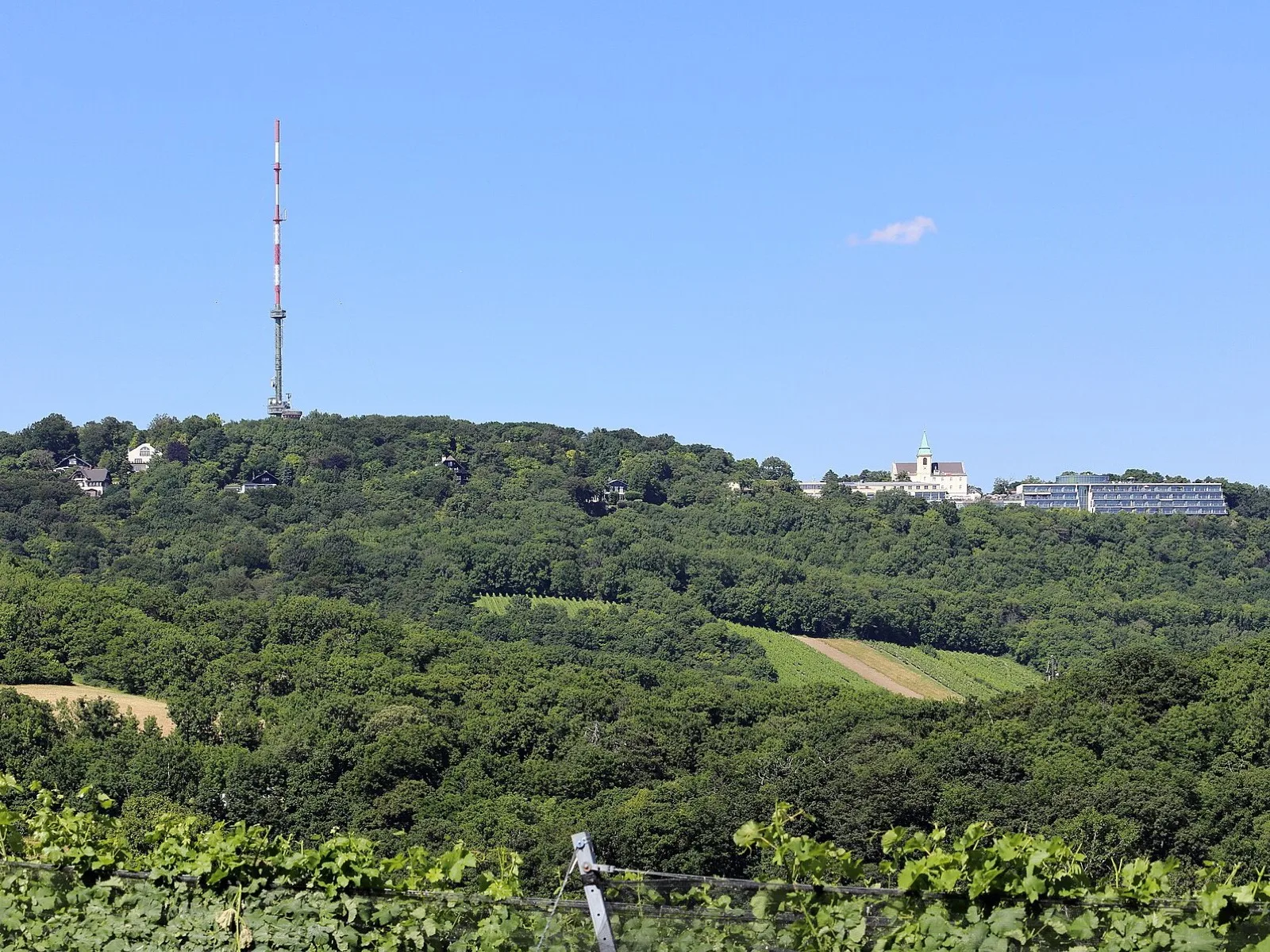
Vienna has 13 officially signposted city hiking trails, six of them through the Vienna Woods. Trail 1 to the Kahlenberg is the famous one, trail 2 through the Lainzer Tiergarten is quieter, trail 4 through the Nussberg-Kahlenberg vineyards is the prettiest in autumn. All of them work without a car: the trailheads sit on metro, tram or bus lines, and if you tire halfway, you simply stop at the next Heuriger. For the Kahlenberg, the classic combination is: U4 to Heiligenstadt, bus up the hill, then walk back down through the vineyards to Nussdorf or Grinzing. Two to three hours, views included.
The Lainzer Tiergarten on the edge of Hietzing is the wilder alternative: a former imperial hunting ground, now a nature reserve where wild boar move visibly through the autumn leaves.
Chestnut season
From October the chestnut sellers stand at Stephansplatz, Schottentor and Westbahnhof with their smoking carts. Hot roasted chestnuts in straw paper, warm hands, three to five euros. The same stands sell roast potatoes and potato fritters - the unofficial street food of the Viennese winter, which begins in autumn.
Museums without queues
Late September to late November is the quietest sightseeing season of the year. KHM, Belvedere, Albertina without long waits. You see the paintings instead of photographing the backs of heads. Schönbrunn relaxes too: the state rooms that demand time slots and patience in summer can now be visited almost spontaneously. For an overview of the key addresses, see the sights hub.
Viewpoints with fog drama
The Kahlenberg on a Föhn day in October: the city clear beneath a layer of mist, the mountains razor-sharp on the horizon. The Donauturm (252m) or the Sky Bar at the Steigenberger Herrenhof for inner-district views. Autumn produces the most dramatic light of the year - low afternoon sun, high fog over the Danube in the morning. Photographers travel now, not in July.
What to keep in mind
By mid-October Viennese nights regularly drop to 8-12 degrees Celsius, days run 12-18. Rain is normal. If you hike: a shell jacket and proper shoes. The weather flips fast - a golden morning can slide into a grey drizzly afternoon. The right autumn strategy is a double plan for every day: one outdoor option (vineyards, city trail, Schönbrunn gardens) and one indoor option (museum, coffee house, thermal baths). You decide in the morning with a look out of the window.
In November the Christmas markets start, but only the smaller ones at first. Karlsplatz and Spittelberg from mid-November, Rathausplatz traditionally the last weekend of November.
Event highlights
- Wiener Festwochen happens in spring, not autumn.
- Viennale film festival late October to early November, Vienna’s international film festival, very popular. Book tickets for the big titles early.
- Long Night of Museums in early October: one ticket, dozens of museums open until 1 am.
- Wine harvest festivals in Grinzing and Stammersdorf in September.
- The opera and concert season restarts in September: the Staatsoper, Musikverein and Konzerthaus run their full programmes, and standing-room tickets at the Staatsoper remain the cheapest entry into Vienna’s high culture.
Where to sleep
Autumn rates run well below peak season. November often lands at half of May prices. Boutique houses like Altstadt Vienna, Hotel Motto or Hotel das Tyrol are easier to book in autumn. If you want to actively counter the November grey, browse the wellness category: a hotel with a sauna is not a luxury in a Viennese autumn, it is part of the plan.
Frequently asked questions
Is autumn better than spring for Vienna? For museums, Heurige and prices: yes. Spring has the blooming parks; autumn has Sturm, vineyards in colour and the emptiest museums of the year. First-time visitors with flexible dates should aim for late September to mid-October, when mild weather and the autumn season overlap.
How long can you still sit outside at a Heuriger? On warm October days, comfortably until sunset - many garden terraces provide blankets and heaters. From November, life moves into the wood-panelled parlours, which has a charm of its own.
Is the Kahlenberg worth it under an overcast sky? It depends. With high fog you often see more from the top than from below - the city lies under you beneath the fog blanket. In rain and low cloud, better to postpone and bring a museum forward.
What should I pack for an autumn week? Layers: t-shirt, jumper, rain jacket. Plus shoes that handle wet cobblestones and forest paths. An umbrella is often worth less than a hood in Vienna’s wind.