Districts
Vienna's districts
Vienna runs on district numbers. Here is what each neighborhood is like and who it fits.
Vienna is split into 23 numbered districts, called Bezirke, and the number does most of the work in daily life. Locals say "the 7th" far more often than Neubau, addresses lead with the district, and hotel listings do the same. Once you know roughly where a number sits on the map, the whole city gets easier to read.
The logic is simple: the 1st district, the Innere Stadt, is the historic core ringed by the Ringstraße boulevard, and the numbers spiral outward from there. Low numbers mean central and dense, higher numbers mean greener and quieter. That is why the 1st is imperial Vienna in walking distance, with Stephansdom, the Hofburg, the Graben and Kärntner Straße, while the 13th and 19th feel almost suburban.
Just across the Danube Canal, Leopoldstadt (the 2nd) is green and mixed, with the Prater, the Riesenrad, the Karmelitermarkt and the Augarten. It is a minute from the center by metro and a completely different mood. Wieden (the 4th) is small, lively and student-flavored, right by the Naschmarkt and Karlskirche, and very well connected for its size.
West of the center, Mariahilf (the 6th) is built around Mariahilfer Straße, Vienna's longest shopping street, with plenty of hotels, restaurants and theaters. Next to it, Neubau (the 7th) is the creative quarter: MuseumsQuartier, the Spittelberg lanes and concept stores. Between them they cover most of what visitors want outside the old town.
Farther out, Hietzing (the 13th) is the Schönbrunn quarter, green and refined, with the palace, the zoo and the Lainzer Tiergarten, which suits families. Döbling (the 19th) is wine country inside the city limits: Grinzing, the Kahlenberg and the Heuriger taverns. Both trade walkability for calm, and both are still on the metro or tram network. If you want quiet elegance closer in, look at Landstraße (the 3rd) for the Belvedere and Hundertwasserhaus, or Josefstadt (the 8th), the smallest district of all.
All 23 districts at a glance
Vienna is made up of 23 municipal districts with 2,040,914 inhabitants across 414.88 km². The numbering starts in the old town and spirals outward: the lower the number, the more central and dense the district. Districts with a page of their own, listing hotels and sights, are linked.
| No. | District | Area | Population | Character |
|---|---|---|---|---|
| 1. | Innere Stadt | 2.87 km² | 15,879 | The old town inside the Ringstraße, a UNESCO World Heritage site and the densest sightseeing ground in the city. Few residents, many visitors, room rates to match. Known for: Stephansdom, Hofburg, Graben, Kärntner Straße |
| 2. | Leopoldstadt | 19.24 km² | 114,122 | Between the Danube Canal and the Danube, with the Prater, the Augarten and the Karmelitermarkt. Green, mixed and noticeably cheaper than the 1st for barely any extra travel time. Known for: Prater, Riesenrad, Augarten, Karmelitermarkt |
| 3. | Landstraße | 7.40 km² | 99,954 | The embassy quarter, home to the Belvedere and the Hundertwasserhaus. Quiet and stately, and via Wien Mitte the most direct link to the airport. Known for: Belvedere, Hundertwasserhaus, Wien Mitte, Stadtpark |
| 4. | Wieden | 1.78 km² | 33,450 | Small, dense and shaped by the students of the TU Wien. The Naschmarkt and Karlskirche sit on its edge, and the centre is walkable. Known for: Karlskirche, Naschmarkt, TU Wien, Freihausviertel |
| 5. | Margareten | 2.01 km² | 54,060 | A dense residential quarter south of the Naschmarkt, known for its municipal housing and Margaretenstraße. Little sightseeing, plenty of everyday Vienna at fair prices. Known for: Margaretenstraße, Schlossquadrat, Reumannplatz-Nähe |
| 6. | Mariahilf | 1.46 km² | 31,070 | The shopping district: Mariahilfer Straße is Vienna's longest shopping street, joined by Gumpendorfer Straße for food and drink and the western end of the Naschmarkt. Known for: Mariahilfer Straße, Gumpendorfer Straße, Haus des Meeres, Naschmarkt |
| 7. | Neubau | 1.61 km² | 31,394 | The creative district, with the MuseumsQuartier, the Spittelberg lanes and the highest density of concept stores and vintage shops in Vienna. Known for: MuseumsQuartier, Spittelberg, Neubaugasse, Burggasse |
| 8. | Josefstadt | 1.09 km² | 24,232 | Vienna's smallest district, genteel and quiet, with the Theater in der Josefstadt and the Piarist church. A good address for short distances without old-town bustle. Known for: Theater in der Josefstadt, Piaristenkirche, Rathaus-Nähe |
| 9. | Alsergrund | 2.97 km² | 41,782 | The university and hospital district, home to the Sigmund Freud Museum, the old AKH campus and the Serviten quarter. Studenty, well served and close to the centre. Known for: Sigmund-Freud-Museum, Altes AKH, Servitenviertel, Liechtenstein-Palais |
| 10. | Favoriten | 31.83 km² | 225,013 | Vienna's most populous district, with the main station, the Sonnwendviertel and Favoritenstraße as a long retail axis. Very mixed, very urban. Known for: Hauptbahnhof, Favoritenstraße, Böhmischer Prater, Therme Wien |
| 11. | Simmering | 23.26 km² | 112,214 | An industrial south-eastern district, home to the Zentralfriedhof, one of Europe's largest cemeteries, and Neugebäude Palace. Known for: Zentralfriedhof, Schloss Neugebäude, Gasometer |
| 12. | Meidling | 8.10 km² | 102,344 | West of Schönbrunn, with Meidlinger Hauptstraße as a pedestrian zone and Bahnhof Meidling as the city's second long-distance rail hub. Known for: Meidlinger Hauptstraße, Bahnhof Meidling, Theresienbad |
| 13. | Hietzing | 37.72 km² | 56,496 | The Schönbrunn district: the palace, the zoo and the Lainzer Tiergarten. Green, affluent and quiet, but noticeably further out than the inner districts. Known for: Schloss Schönbrunn, Tiergarten Schönbrunn, Lainzer Tiergarten, Otto-Wagner-Hofpavillon |
| 14. | Penzing | 33.76 km² | 99,469 | Runs from the densely built west out into the Vienna Woods. Otto Wagner's Kirche am Steinhof and the Technical Museum are here. Known for: Kirche am Steinhof, Technisches Museum, Wienerwald |
| 15. | Rudolfsheim-Fünfhaus | 3.92 km² | 75,384 | Built up around the Westbahnhof, dense and strongly shaped by migration. The western end of Mariahilfer Straße runs along its border. Known for: Westbahnhof, Stadthalle, Schwendermarkt |
| 16. | Ottakring | 8.67 km² | 101,599 | Known for the Brunnenmarkt, Vienna's longest street market, the Ottakringer brewery and the vineyards along its upper edge. Known for: Brunnenmarkt, Ottakringer Brauerei, Wilhelminenberg |
| 17. | Hernals | 11.39 km² | 56,652 | Stretches from the built-up Hernalser Hauptstraße up towards the Vienna Woods, with Heuriger taverns in Dornbach and Neuwaldegg. Known for: Hernalser Hauptstraße, Schwarzenbergpark, Dornbach |
| 18. | Währing | 6.35 km² | 51,177 | A well-heeled residential district with the Cottage quarter, the Türkenschanzpark and the Schubertpark. Quiet, green, barely touristed. Known for: Türkenschanzpark, Cottageviertel, Schubertpark |
| 19. | Döbling | 24.94 km² | 76,203 | Vienna's wine district: Grinzing, Nussdorf and Neustift am Walde hold the best-known Heuriger taverns, with the Kahlenberg and Leopoldsberg above them. Known for: Grinzing, Kahlenberg, Nussdorf, Karl-Marx-Hof |
| 20. | Brigittenau | 5.71 km² | 86,686 | A narrow district between the Danube Canal and the Danube, densely built, with Millennium City and the Millennium Tower as its landmark. Known for: Millennium Tower, Millennium City, Augarten-Nähe |
| 21. | Floridsdorf | 44.44 km² | 191,527 | A large district north of the Danube, with the Alte Donau, the Bisamberg and a lot of single-family housing. Far from the centre, and very green. Known for: Alte Donau, Bisamberg, Floridsdorfer Wasserpark |
| 22. | Donaustadt | 102.30 km² | 235,361 | By far the largest district by area and now the most populous as well. The Danube Island, the Danube Tower, the UN complex and the Lobau are all here. Known for: Donauinsel, Donauturm, UNO-City, Lobau |
| 23. | Liesing | 32.06 km² | 124,846 | The southernmost district, half industrial estate, half edge of the Vienna Woods. The Wotruba Church and the aqueduct trail are its draws. Known for: Wotrubakirche, Maurer Wald, Perchtoldsdorfer Heide-Nähe |
Area and population figures: City of Vienna / Statistics Austria, population as of 2026.
Districts with a full guide
Ten districts are covered in depth, with hotels, sights and a district scorecard.
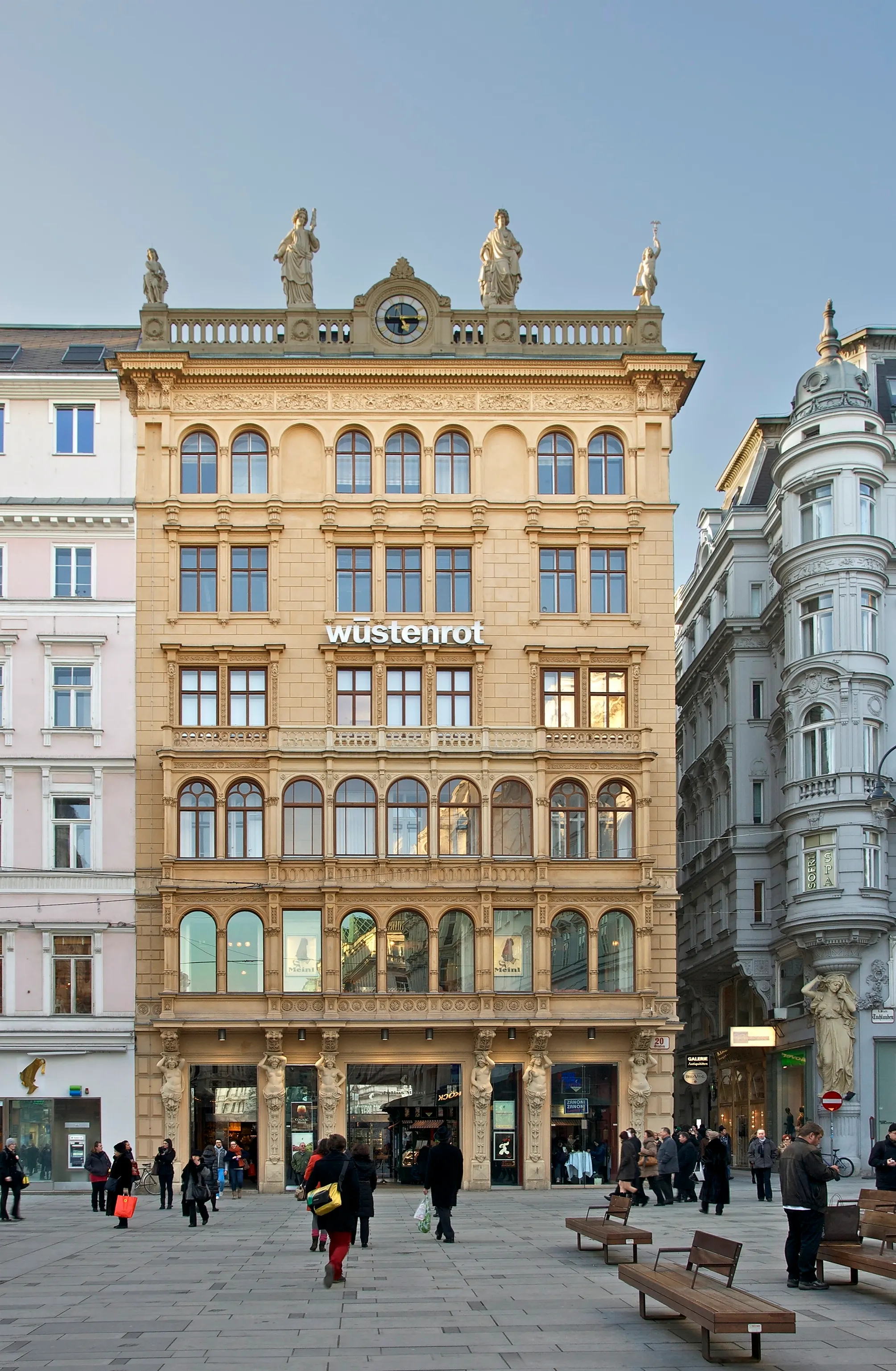 Photo: Jebulon, Wikimedia Commons, CC0
 Innere Stadt
Imperial, central
The first district - UNESCO World Heritage, St. Stephen's Cathedral, Hofburg, Albertina. Stay here for postcard Vienna.
9 hotels
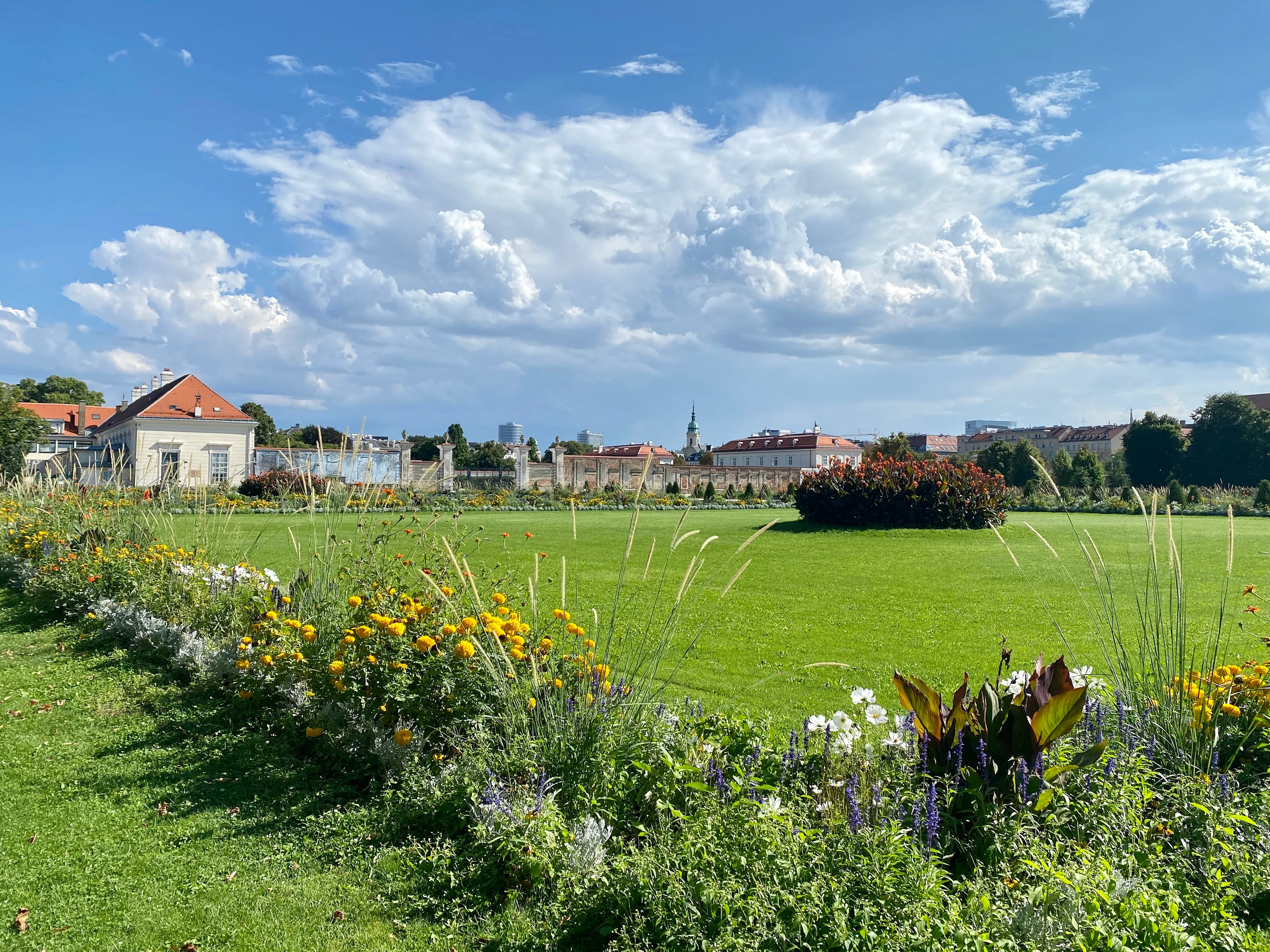 Photo: Funke, Wikimedia Commons, CC BY-SA 4.0
 Leopoldstadt
Green, multicultural
Between the Danube and Danube Canal. Prater, Karmelitermarkt, Augarten - Vienna's most colorful district.
3 hotels
 Photo: Gugerell, Wikimedia Commons, CC0
 Landstraße
Embassy quarter
Belvedere, Hundertwasserhaus, embassies. Quiet, elegant, perfect for art lovers.
4 hotels
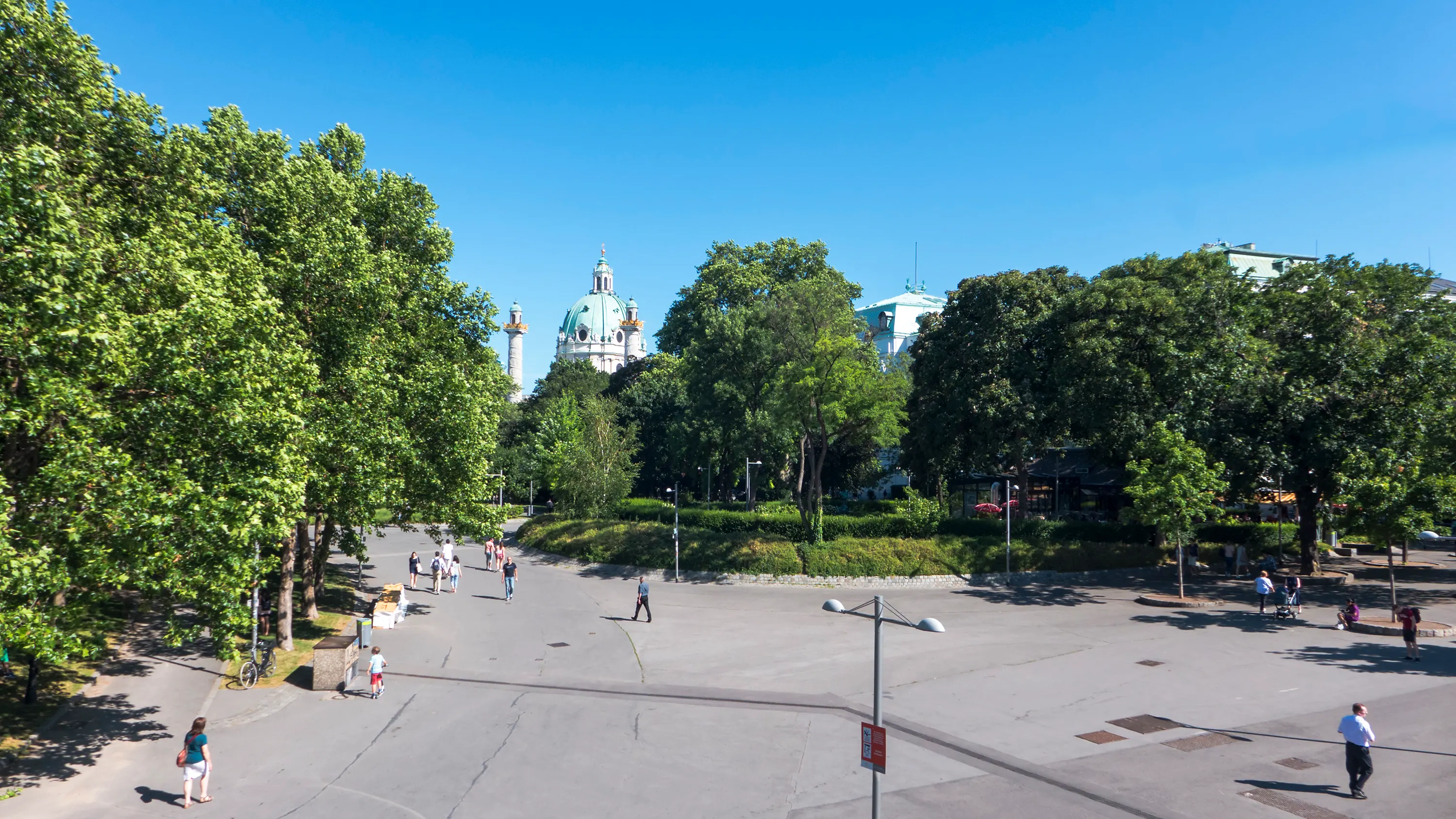 Photo: Gugerell, Wikimedia Commons, CC0
 Wieden
Hip & student
Close to Naschmarkt, cafés, vintage shops. Small, lively, well connected.
4 hotels
 Photo: Gugerell, Wikimedia Commons, CC0
 Mariahilf
Shopping & café
Mariahilfer Straße - Vienna's longest shopping mile. Mix of hotels, restaurants, theaters.
7 hotels
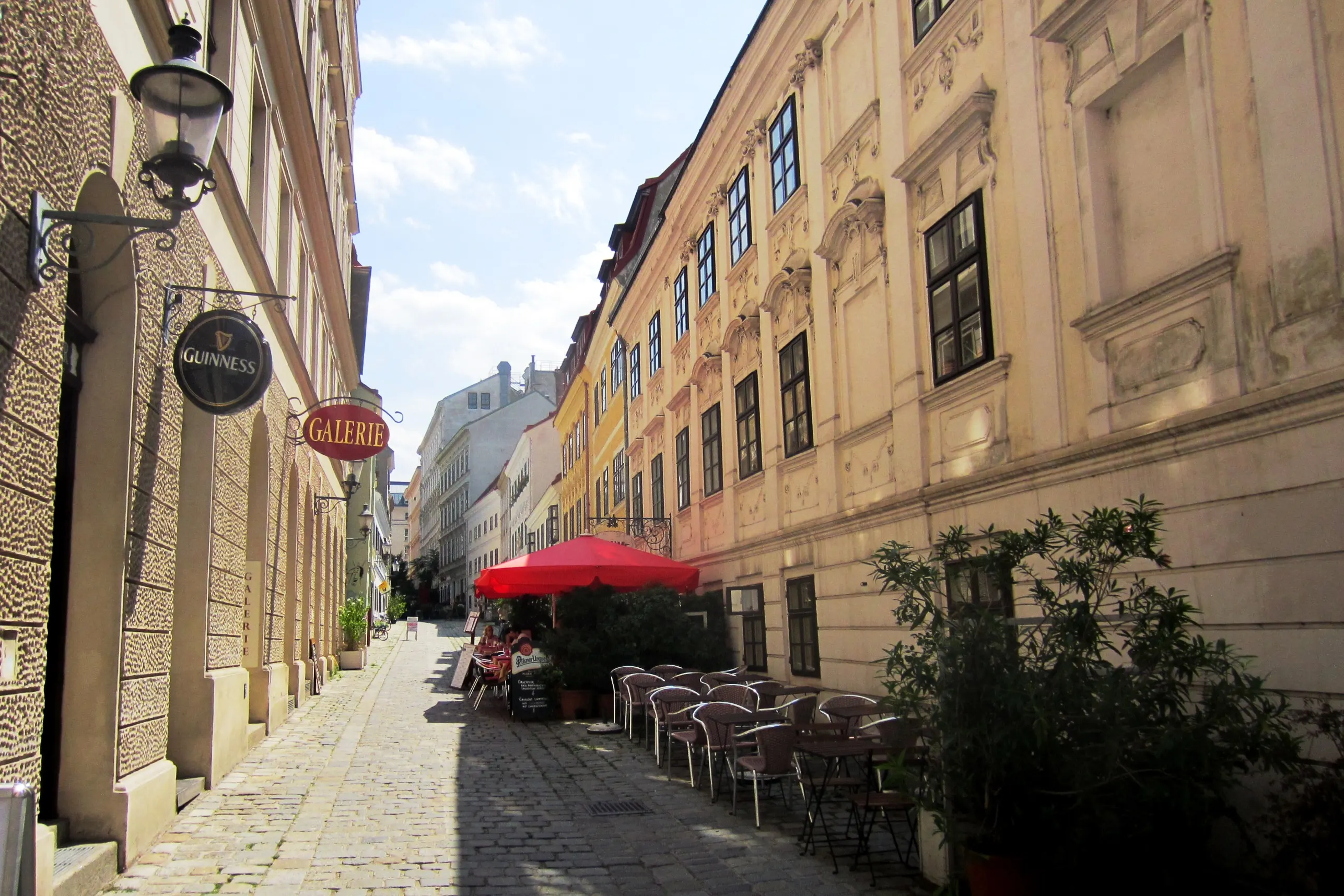 Photo: Martin Furtschegger, Wikimedia Commons, CC BY 3.0
 Neubau
Creative quarter
MuseumsQuartier, Spittelberg, concept stores. The district of Vienna's creatives.
2 hotels
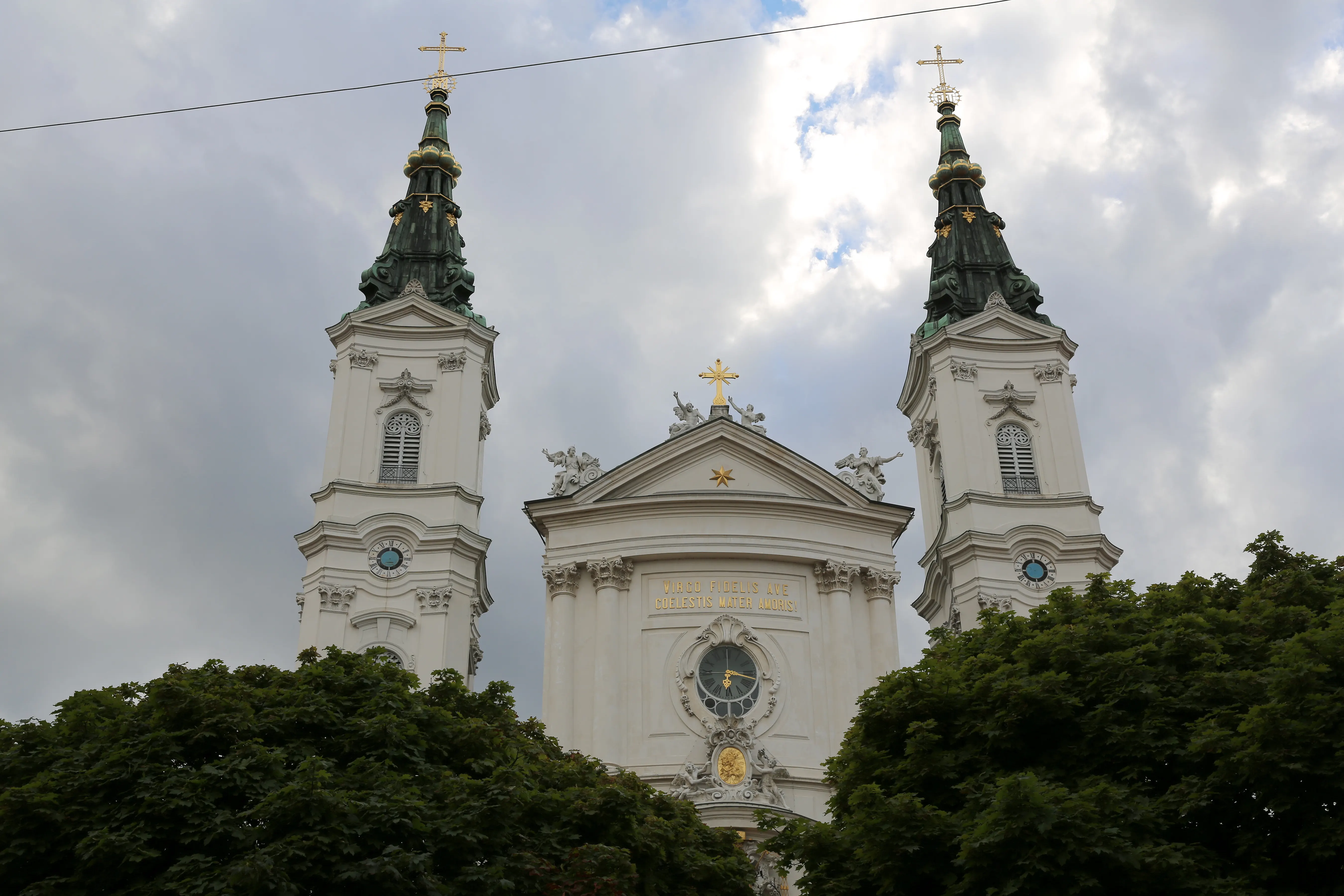 Photo: Manfred Werner (Tsui), Wikimedia Commons, CC BY-SA 3.0
 Josefstadt
Small & charming
Vienna's smallest district. Theater in der Josefstadt, cobbled lanes, quiet elegance.
2 hotels
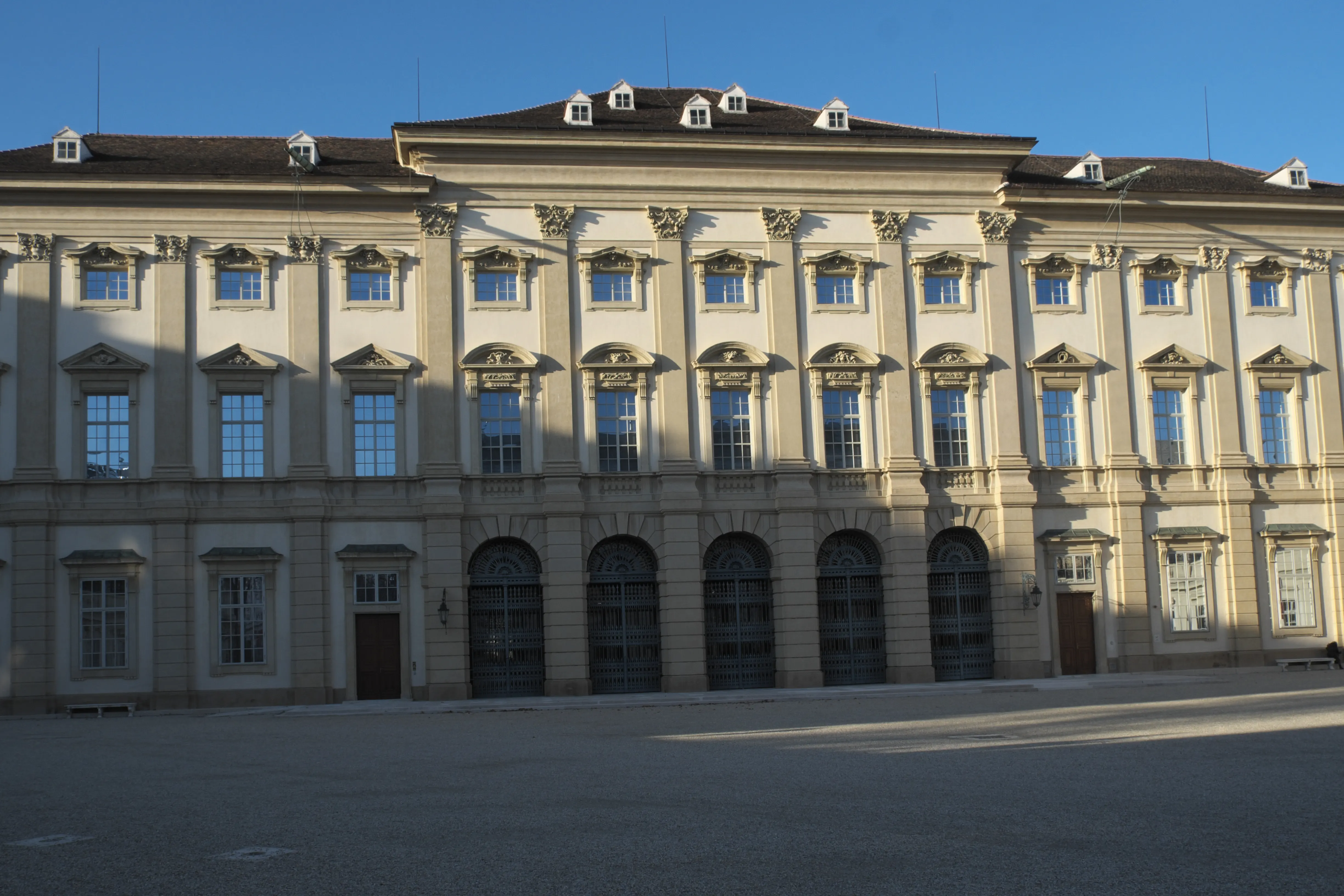 Photo: GFreihalter, Wikimedia Commons, CC BY-SA 3.0
 Alsergrund
University, calm
Sigmund Freud Museum, AKH, Liechtenstein Palace. Academic, green, very Viennese.
2 hotels
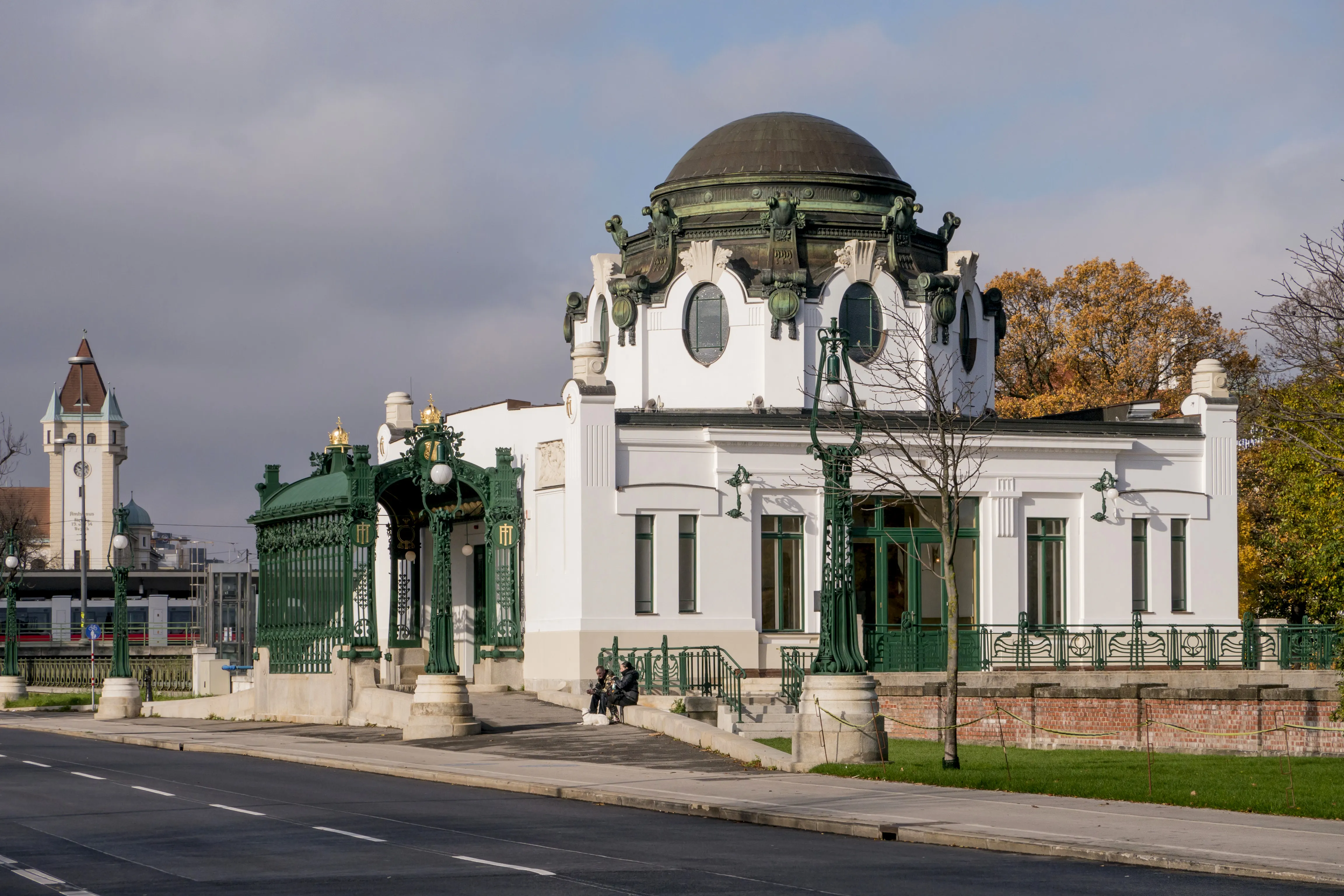 Photo: Thomas Ledl, Wikimedia Commons, CC BY-SA 4.0
 Hietzing
Schönbrunn quarter
Schönbrunn, zoo, Lainzer Tiergarten. Green, refined, ideal for families.
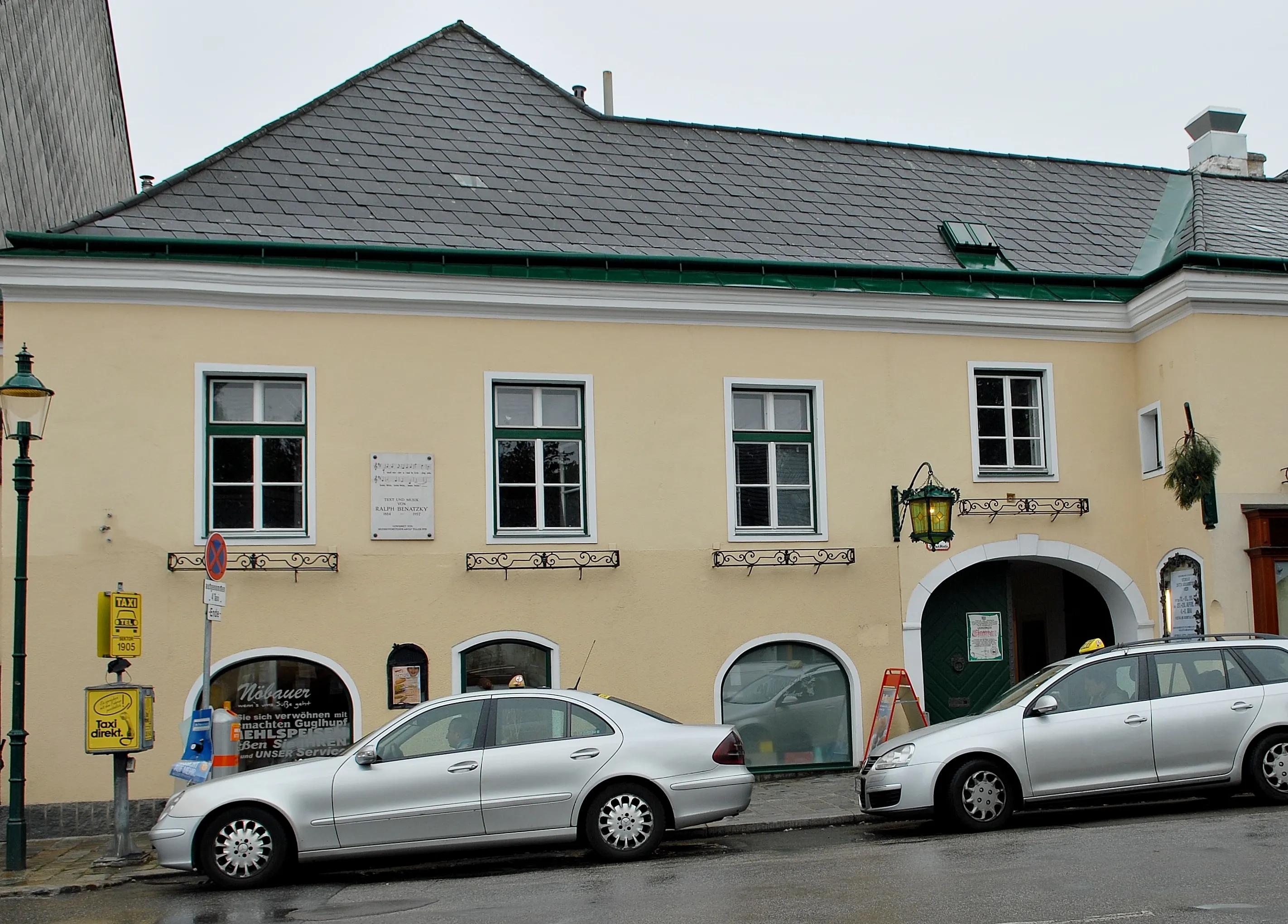 Photo: Vindobohann, Wikimedia Commons, CC BY-SA 3.0
 Döbling
Wine-tavern hills
Grinzing, Kahlenberg, wine taverns. Wine, views, old Vienna up close.
Which district should you stay in?
In Vienna the district number shapes a stay more than the hotel name does. Six areas that reliably work for visitors, each with the cheapest house in our selection as a price anchor.
1. Innere Stadt
from €92First visit, short distances, the opera and the old town on your doorstep. The priciest location in the city, but you will barely need a transit ticket.
9 hotels listed
View district2. Leopoldstadt
from €139Travelling on a budget without staying far out. The U1 puts you at Stephansplatz in minutes, with the Prater and Augarten right there.
3 hotels listed
View district6. Mariahilf
from €76Shopping trips and travellers who want options in the evening. Mariahilfer Straße and the bars of Gumpendorfer Straße are both in the district.
7 hotels listed
View district3. Landstraße
from €69Art travellers and anyone with an early departure. The Belvedere and Hundertwasserhaus are here, and the CAT airport train leaves from Wien Mitte.
4 hotels listed
View district7. Neubau
from €220Design, concept stores and the MuseumsQuartier. The district with the densest café and shop scene away from the chains.
2 hotels listed
View district4. Wieden
from €95Naschmarkt on your doorstep, central, and gentler on the wallet than the 1st. Small enough to cover entirely on foot.
4 hotels listed
View districtFrequently asked
How many districts does Vienna have?
Vienna has 23 municipal districts, numbered from 1 (Innere Stadt) to 23 (Liesing), each with a name as well. The full list with area and population is in the table above.
How is the numbering of Vienna's districts organised?
The 1st district is the old town inside the Ringstraße. Districts 2 to 9 form a ring between the Ringstraße and the Gürtel, and districts 10 to 23 fan out beyond that. The 2nd, 20th, 21st and 22nd lie wholly or partly across the Danube Canal or the Danube.
Which district is the largest and which the smallest?
By area Donaustadt (22nd) is the largest at 102.30 km², followed by Floridsdorf (21st) at 44.44 km². The smallest is Josefstadt (8th) at 1.09 km². Donaustadt also leads by population, while the fewest people live in the Innere Stadt (1st).
Which district should tourists stay in?
For a first visit with short distances, the 1st district; on a budget, the 2nd; for shopping, the 6th; for art and early flights, the 3rd. The section "Which district should you stay in?" on this page has the details and price anchors.
What does "Gürtel" mean in relation to Vienna's districts?
The Gürtel is Vienna's second ring road, further out than the Ringstraße. It separates the inner districts 2 to 9 from the outer ones. "Inside the Gürtel" is common Viennese shorthand for a central location.